How Haptic Feedback Gets Its Texture
How Haptic Feedback Gets Its Texture
The motor, enclosure and software waveform together determine how a vibration feels.
A simple actuator can create a brief buzz. More controlled actuators can vary the amplitude or frequency so software can distinguish a click, a pulse or a sustained rumble.
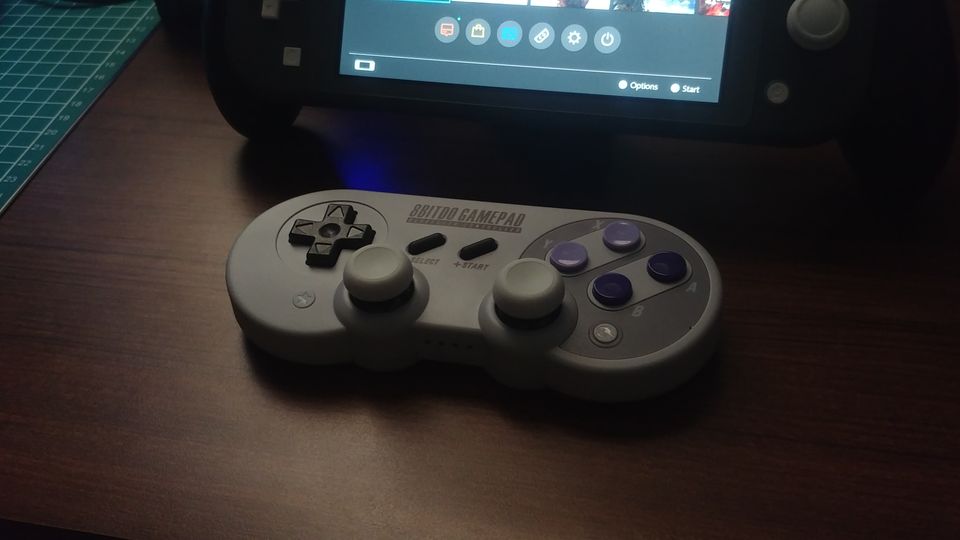
A loose grip and a rigid desk can change how the same signal feels or sounds. Different games and applications may use the actuator in ways that obscure its capabilities.
Compare several feedback patterns with sound turned down. The most useful effect is often one that communicates a state without requiring the user to look away.